Home / Charging an Electric Vehicle Over a Coated Allen Garage Floor
Charging an Electric Vehicle Over a Coated Allen Garage Floor
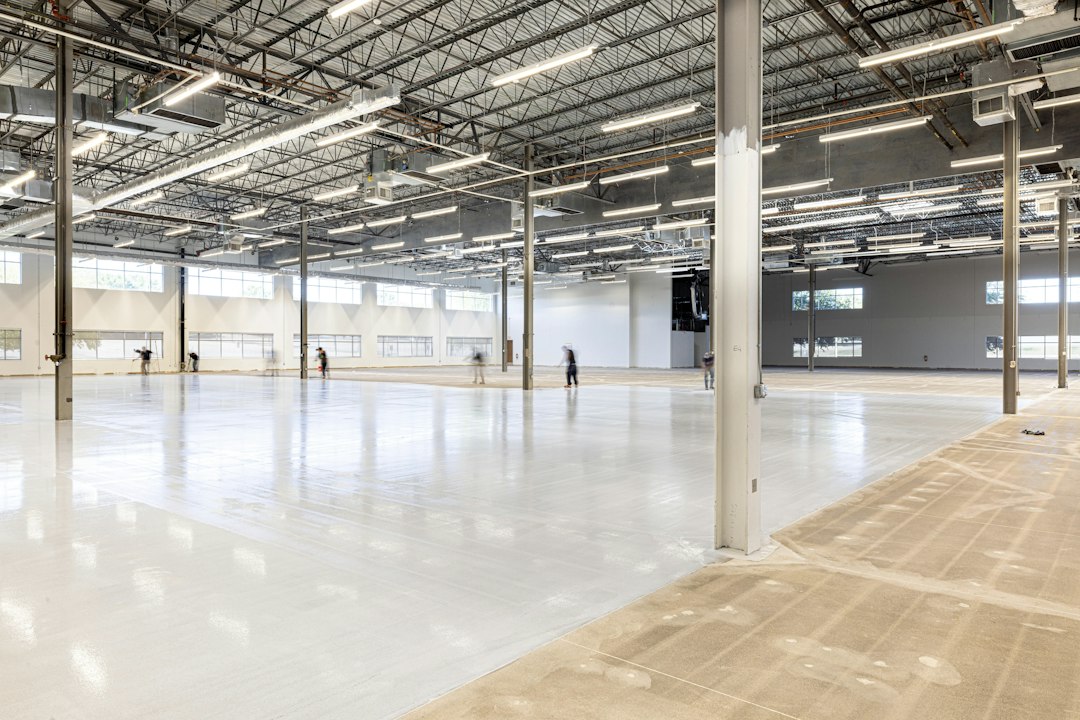
A growing number of Allen households now plug a car into the wall instead of filling it at a pump. Charger cables, wall-mounted units and the extra weight of a battery vehicle all touch the garage floor in ways that a gas car never did. For a coated floor, that mix is mostly manageable, yet a few details decide whether the surface stays clean and intact or collects scratches and stains.
What changes with an electric vehicle in the garage
Battery cars weigh more than similar gasoline models, often by a noticeable margin, and that weight sits low and wide. A cured epoxy system with a hard topcoat handles it without complaint when the slab beneath is sound. The concern is not crushing the coating but the tires: heavy vehicles with strong low-end torque turn their wheels hard when parking, and that tire scrubbing is what scuffs a surface. A flake-filled floor hides those scuffs better than a smooth solid color, and a clear topcoat with good abrasion resistance reduces them.
Electric cars also drip less oil, which removes the most common stain source. Coolant and brake fluid can still leak, and the water that runs off a wet car after a storm carries road grime. Since many families around Celebration Park and the SH-121 corridor commute by highway, that grime includes brake dust, which is dark and clings to a porous floor. A sealed, nonporous coating releases it with a simple mopping.
Charger cables and the floor
The cable is the part most likely to cause trouble. A long charging cable lies on the floor between the wall unit and the car port, and it gets dragged, stepped on and rolled over. Rubber and vinyl cable jackets can leave a faint discoloration on a light coating if they sit in the same place for months, particularly in summer when the garage is hot and the plastic softens. Hanging the cable on a wall hook or a coiled holder keeps it off the surface entirely.
If the cable has to lie across the floor, choose a spot in the path and rotate it now and then. Avoid rubber cable guards that are black and soft, since they can transfer color. Wipe the area with a clean damp cloth occasionally to check for any early marks, and address them while they are still light.
Where the wall unit goes
A wall-mounted charger should be located close to the car's charging port, and in a standard attached two car garage that usually means a position on the side wall near the front bumper line. Installing the unit involves drilling the wall and running conduit, and the electrician's dust and tools can scratch a finished floor. Having the electrical work done before coating avoids that risk entirely. If the floor is already coated, lay down a heavy drop cloth and a sheet of hardboard under the work area, and ask that boots be wiped before entering.
Keep a short walking lane next to the charger. People grab the plug in the dark, step around the cable and set bags on the floor, so the strip near the unit gets extra foot traffic. A slip-resistant additive in the topcoat helps there, especially when rain or a wet umbrella adds water to the mix.
Heat, slab movement and thermal swings
North Texas summers push garage temperatures high, and a charging car adds a little heat of its own. Concrete and coatings expand and contract at slightly different rates, and the clay soil under the slab moves with moisture. Hairline cracks that form after a dry spell can telegraph through a thin coating. Repairing them before coating, with a flexible joint filler in the saw cuts and rigid epoxy in random cracks, limits the chance of reflected cracks.
Thick, properly cured systems tolerate these swings better than thin paint-like products. A coating that was applied in hot weather without allowing for cure windows may be brittle. If the floor is being installed in July, an early start and a closed door help control how fast the material sets.
Cleaning around a charging bay
Water from a wet vehicle travels toward the garage door because most slabs slope that way. Spreading a rubber mat in the parking bay catches drips, but a mat holds moisture against the coating and can trap grit. A cleaner approach is to leave the floor bare and use a squeegee to push standing water toward the door after a rainy day. A weekly sweep and a monthly mop with a neutral cleaner is enough for most households.
- Avoid abrasive pads and strong solvents, which dull the topcoat.
- Rinse away road salt and grit before it sits, even though salt is rare in this part of Texas.
- Check the area under the charging port for coolant drips after long trips.
Choosing the right finish for an EV household
Most families end up with a flake system and a clear polyaspartic or polyurethane topcoat, because it balances appearance, abrasion resistance and ease of cleaning. Solid colors look sharp when new but show every tire mark and cable scuff. A quartz-filled system is tougher still, though it takes a bit more care to keep the textured surface free of dust. For anyone using the garage as both car port and workshop, quartz or a full flake broadcast conceals the wear that charging, parking and carrying bags produce.
Gloss level deserves a thought. Glossy floors look polished but show swirl marks and are slippery when wet, while a satin finish is more forgiving. A touch of fine grit in the final layer gives traction around the car door without catching on shoes.
Practical habits that protect the finish
- Wait for the full cure before parking the vehicle, usually several days after the topcoat.
- Roll slowly into the bay and avoid turning the wheels while stopped.
- Hang the charging cable, and avoid dragging it over the floor.
- Keep a soft broom handy for grit from the street.
- Wipe stray drips soon after they appear.
A garage with an electric vehicle is not harder on a coated floor than one with a gasoline car, and in some ways it is easier. What matters is preparing the slab thoroughly, picking a topcoat that resists tire scuffing, and keeping the charging gear tidy. With those pieces in place, an Allen homeowner can plug in every evening without worrying about the surface beneath the wheels.