Home / Bikes, Strollers and Play Equipment on Coatings
Bikes, Strollers and Play Equipment on Coatings
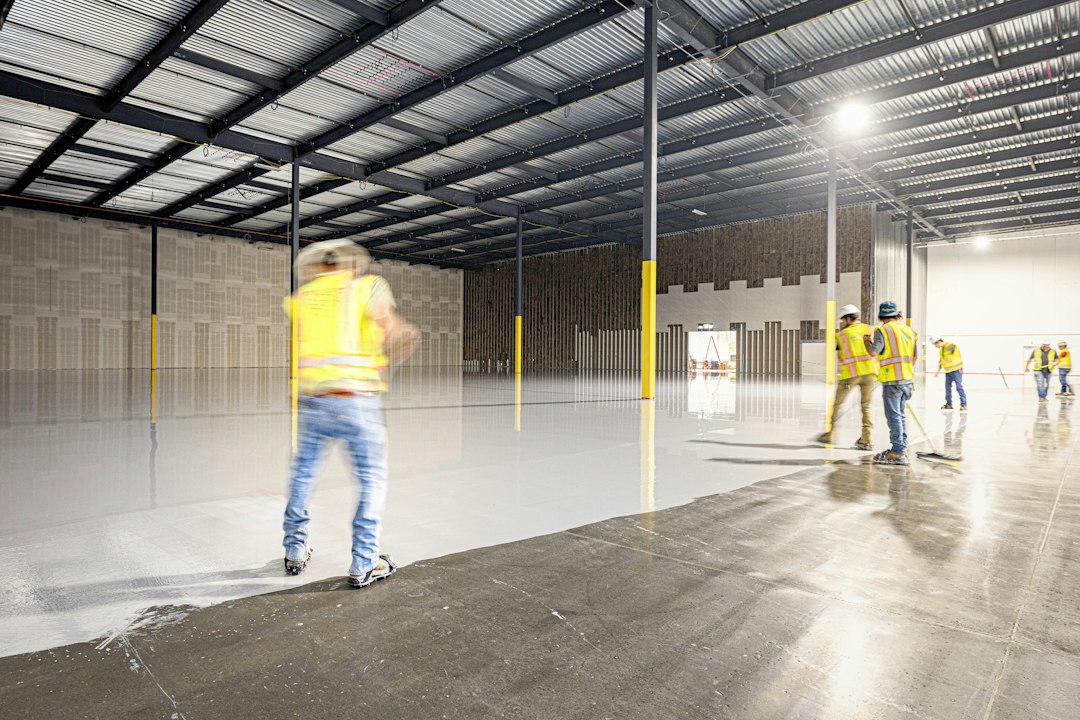
A garage floor rarely sees a bulldozer, but it sees a lot of small things every day: a scooter dropped on its side, a stroller pushed in from the car, a wagon with plastic wheels, a bike leaned against the wall with its kickstand down. None is heavy. Together they can leave a floor looking tired long before the cars do.
Why light items still leave marks
Marks come from repetition and from small contact areas. A bicycle tire is soft, but the kickstand is a narrow metal foot carrying a good share of the bike's weight. A child's ride-on toy has hard plastic wheels that grind grit into the surface. A stroller with small front wheels pivots constantly. None of these loads is large, yet each is applied thousands of times, usually with a bit of sand trapped under the wheel.
Grit is the hidden culprit. Sand, gravel and dried mud come in from the driveway on shoes and tires. When a wheel rolls over a grain of sand on a hard coating, the grain can scratch a fine line. Over months, those lines build into a dull, hazy track along the paths people use most.
Which items cause which problems
- Bicycles: kickstand pressure and pedal strikes; handlebar ends dragging on the floor when tipped.
- Strollers: swiveling front wheels leaving scuffs, plus wet wheels carrying grit.
- Scooters and skateboards: hard urethane wheels with high point pressure.
- Wagons and ride-on toys: plastic wheels with rough edges.
- Sports gear: cleats, bats and metal rims dropped or dragged.
- Pool toys and coolers: wet bases that leave rings and stuck-on residue.
Each of these involves a different mechanism. Kickstands dent, wheels scratch, wet objects stain, and dropped gear chips. A floor that resists all of them needs a hard, slightly flexible topcoat and a surface texture that disguises small marks.
Choosing a surface that forgives
A decorative flake broadcast is the most forgiving option. The varied colors and the tiny peaks and valleys hide light scratches, and the topcoat seals them in. A plain solid color makes every scuff stand out because the eye has nothing else to look at. A speckled finish can mask years of play without much effort.
Matte and satin topcoats show fewer scratches than high gloss ones. Gloss floors look wet and attractive on the day they are finished, but light reflects strongly from fine scratches, making them visible from across the room. A satin finish scatters light and conceals them. If a glossy look is wanted, a thicker clear coat resists scratching better.
Protecting the busy zones
Create a toy-and-bike zone and give it extra protection. A rubber mat or a section of interlocking foam tiles near the wall gives bikes and scooters a soft place to park. Tiles can be lifted and washed, but should be removed periodically so moisture does not collect underneath. A small rug at the door from the house catches grit before it reaches the main floor.
A wall rack takes bikes off the floor completely. Hooks and tracks mounted at stud locations keep the wheels in the air and eliminate kickstand pressure. For strollers, a folding model stored upright against the wall avoids daily rolling across the whole garage.
Cleaning and caring for marks
Most light scuffs are residue and not damage. A soft cloth with a neutral cleaner removes rubber and plastic transfer. For stubborn black lines left by dragged handlebar grips or wheels, a white nylon pad with mild degreaser usually works. Stronger solvents risk dulling the topcoat, so test in a corner first.
Scratches in the clear coat itself will not wash off. They can be buffed lightly and recoated with a thin layer of the same clear product, after cleaning thoroughly. Many families do this every few years in the main play zone, treating it as routine upkeep, not repair.
Sweeping matters more than mopping
Because grit does the damage, sweeping is the most protective habit. A soft push broom used every few days removes the abrasive before it is rolled into the floor. A mat at each entry, inside and out, reduces what arrives. Rinsing the wheels of a stroller or wagon after a muddy walk takes a minute and spares the surface.
Where the coating helps and where it does not
A well-prepared coating protects the concrete from stains and dust and makes cleaning simple. It does not make the surface indestructible. A hard impact, such as a dropped metal tool or a heavy bike falling, can chip an edge. If the chip exposes bare concrete, a drop of repair product keeps moisture out. The longer project articles on allen epoxy flooring corner show how several families set up a play corner that resists these small hazards.
A simple set of habits
- Put wheeled toys on a mat or a rack instead of the open floor.
- Sweep before wheeling anything across.
- Use wide kickstand pads or hang bikes on the wall.
- Choose a satin or matte finish with flakes for forgiving looks.
- Wipe stains while they are fresh.
The things children use are not hard on a floor because they are heavy. They are hard because they are everywhere, every day, and often covered in grit. With a few small adjustments in storage and cleaning, a coated garage floor can serve as a play space, bike shed and parking bay without losing its good looks.
Wet gear and sports equipment
Damp towels, wet swim bags and soaked cleats leave moisture and dirt on the floor. If a wet bag sits on a floor for a day, it can leave a ring or a pale patch where water dried slowly with minerals in it. A hook, a shelf or a plastic bin keeps these items off the surface. Balls that roll under shelves collect dust and then drag it back out, so a small net or bin at the wall saves a lot of sweeping.
Seasonal swaps
Many households rotate equipment through the year: sleds and boots in one season, pool toys and scooters in another. Each swap is a moment when items are dragged out from storage corners. A habit of lifting instead of sliding, plus a quick sweep after each rotation, prevents most of the scratches that appear during these chores.